

Blog
Fuel Contamination Recovery for Diesel Trucks

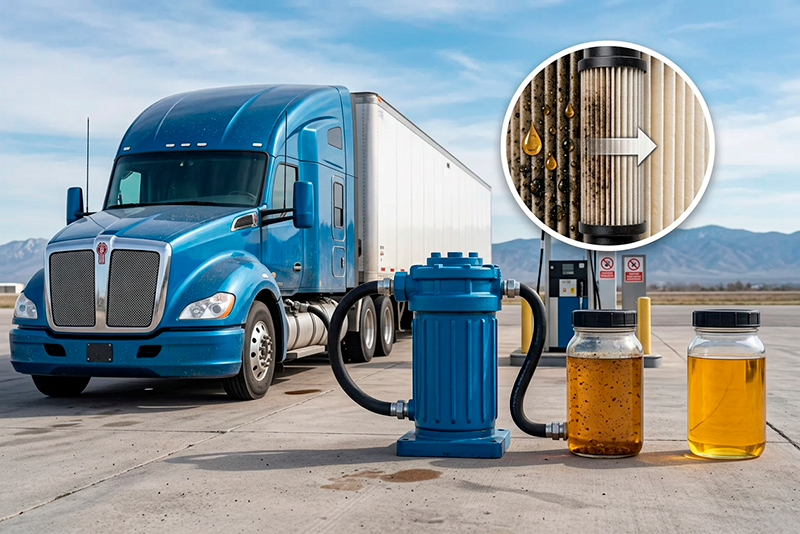
A fuel system failure rarely starts with a dramatic warning. A truck may crank longer than usual, lose power under load, run rough, or set a low-pressure or rail-pressure code. Then the fuel filter is cut open and the real problem appears: water, rust, dark debris, or metal. Proper fuel contamination recovery is not a matter of replacing one failed part and sending the truck back out. It is a system repair that protects the injectors, high-pressure pump, rails, lines, and the engine’s next service interval.
For a working truck, the goal is clear: identify the contaminant, stop it from circulating, remove every affected component, and install parts that are ready to perform. Cutting corners can turn a fuel pump repair into a repeat injector job, a no-start condition, or expensive engine damage.
What Fuel Contamination Does to a Diesel System
Modern common-rail diesel fuel systems run at extremely high pressure with tight internal tolerances. Clean, lubricated fuel is part of what keeps a high-pressure fuel pump and injectors alive. When water, dirt, gasoline, microbial growth, or metal enters the system, those tolerances disappear fast.
Water is especially damaging because it reduces lubrication and promotes corrosion. A water-contaminated pump can begin to score internally, creating fine metal particles that travel downstream. Those particles can reach the fuel rails, injector lines, pressure-control components, and injectors. Installing a new pump without addressing the rest of the system leaves that new pump exposed to the same debris.
Dirt and tank sediment create a different failure pattern. They can plug filters, restrict fuel flow, wear injector components, and cause erratic fuel delivery. Gasoline mixed into diesel reduces lubricity and can damage high-pressure components even when the truck still runs. Microbial contamination, sometimes called diesel algae, is not actually algae. It is biological growth that develops where water and diesel meet, often creating dark sludge that blocks filters and contaminates the tank.
Metal contamination is the most serious scenario. If metal is found in the filter housing, fuel metering valve, pump inlet, or fuel sample, treat it as a system-wide event until inspection proves otherwise. The source must be identified before replacement parts go on the truck.
Start Recovery With a Real Diagnosis
Do not begin by ordering injectors or a pump based on a code alone. Diagnostic trouble codes point to a performance problem, but they do not always identify the root cause. A restricted filter, air leak, failed lift pump, contaminated fuel, wiring issue, or worn high-pressure pump can create similar symptoms.
Start with the fuel sample and the fuel filters. Draw fuel from the tank and from the supply side of the system, using a clean container. Look for separated water, discoloration, haze, rust, black debris, or a gasoline odor. Drain the water separator and inspect what comes out. If possible, cut the old fuel filter open rather than judging it only by its exterior condition.
Next, inspect the pump inlet and any accessible fuel-control valves for metallic debris. On platforms such as Cummins, Power Stroke, Duramax, Detroit, Paccar, and International, the exact inspection points differ, but the principle does not: find out whether debris has traveled beyond the pump before authorizing the repair.
A technician should also verify fuel pressure, commanded versus actual rail pressure, injector balance information where applicable, and supply-side restrictions. This matters because a contaminated system may have more than one failure. A weak lift pump or restricted pickup can contribute to high-pressure pump damage, even after the bad fuel is removed.
Fuel Contamination Recovery: Repair the Entire Path
The scope of repair depends on what entered the system and how far it traveled. A light water contamination caught early may require tank service, fresh fuel, new filters, and close inspection. A high-pressure pump failure that produces metal calls for a far more complete approach.
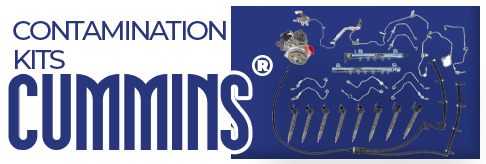
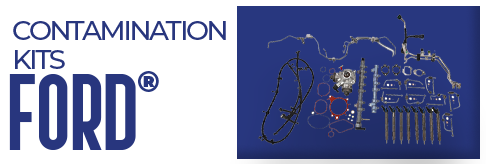
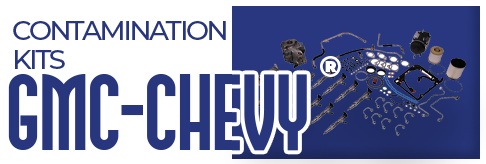
When metal contamination is confirmed, the best repair is usually a matched contamination kit or a component plan that addresses the entire affected fuel path. Depending on the engine platform, that may include the high-pressure fuel pump, injectors, rails, high-pressure lines, supply lines, fuel filters, fuel rail pressure components, and related seals or installation hardware.
The fuel tank must be drained and cleaned correctly. Simply draining it is not always enough. Sediment and water can remain in low spots, baffles, pickups, and tank modules. Clean or replace the tank components as required, then inspect the pickup and supply lines. If the tank cannot be cleaned to a standard that protects a new fuel system, replacement is the safer decision.
Fuel lines are another area where shortcuts cause repeat failures. Some lines can be thoroughly flushed under the manufacturer-approved procedure. Others should be replaced, particularly high-pressure lines or lines that cannot be verified clean. Never assume compressed air alone removes fine metal particles. It may move debris farther into the system.
Install new filters only after the tank and supply path are clean. Otherwise, a fresh filter becomes the first collection point for the debris left behind. On some repairs, checking the filter again after an initial run period is a smart way to confirm the system remains clean.
Choose Replacement Parts That Match the Repair
Contamination recovery is not the place for unknown-quality fuel components. The pump, injectors, and related hardware must match the truck’s engine code, fuel-system design, and calibration requirements. An incorrect injector, poor remanufacturing process, or missed trim-code programming can create new driveability issues after the contamination repair is complete.
For remanufactured injectors, look for units that have been tested on advanced equipment and programmed when the application requires it. The same standard applies to rebuilt high-pressure pumps: internal wear items, calibration, and final testing matter. A low price means little if the component cannot hold commanded pressure or fails early under commercial use.
American Diesel Parts supplies remanufactured, rebuilt, OEM, and premium replacement fuel components for major diesel platforms, including application-specific contamination kits. For repair shops and fleet maintenance teams, matching the kit contents to the actual failure is often faster and safer than piecing together a fuel system after damage has already spread.
There is still a trade-off. Replacing every component may feel excessive when contamination appears limited, while replacing too little can leave the customer paying twice. The right decision comes from the inspection evidence, the manufacturer repair procedure, the truck’s mileage, and the cost of downtime. A vocational truck that cannot afford a repeat breakdown may justify a broader repair scope than a lightly used pickup with contamination caught early.
Installation Details That Prevent Repeat Failures
Clean assembly practices are part of the repair, not an extra step. Keep open fuel ports capped until installation, use clean fuel-rated containers, and do not reuse contaminated fittings, seals, or shop rags. A small amount of debris introduced during installation can damage a new component before the truck leaves the bay.
Follow the correct torque specifications and replacement requirements for each engine. Many high-pressure fuel lines are designed for limited reuse or single-use installation. Reusing a line that cannot seal correctly can cause leaks, low rail pressure, or safety concerns. Replace seals and O-rings with the proper fuel-system parts, lubricate only where the procedure calls for it, and never force fittings into place.
Prime the low-pressure side according to the engine manufacturer procedure before cranking. Extended dry cranking can create additional wear and complicate diagnosis. Once the engine starts, inspect for leaks, monitor rail pressure, clear applicable codes, and road-test under the load conditions that originally exposed the problem.
After the repair, document what was found in the old filter and fuel sample. For fleets, that record can reveal a larger issue at the fuel source, bulk storage tank, transfer equipment, or a specific fueling location. If several trucks show water or debris contamination, replacing parts truck by truck will not stop the pattern.
Preventing the Next Contamination Event
Most contamination events are preventable with disciplined fuel handling. Buy fuel from reliable sources, maintain bulk tanks, drain water separators on schedule, and replace filters at the correct interval. Keep tank caps and filler areas clean, especially on construction, farm, and off-road equipment where dust and standing water are common.
For fleets with on-site fuel storage, inspect tank vents, caps, filters, transfer hoses, and water-control practices regularly. Seasonal temperature swings can create condensation inside partially filled tanks. Keeping storage tanks properly maintained and monitoring for water helps protect every truck that fuels there.
When fuel contamination is suspected, park the truck before a minor issue becomes a full-system failure. The fastest path back to dependable service is a careful diagnosis, a complete repair plan, and quality fuel components installed cleanly. Leave diesel to the professionals who know what it takes to keep it working.