

Blog
why do injectors leak externally

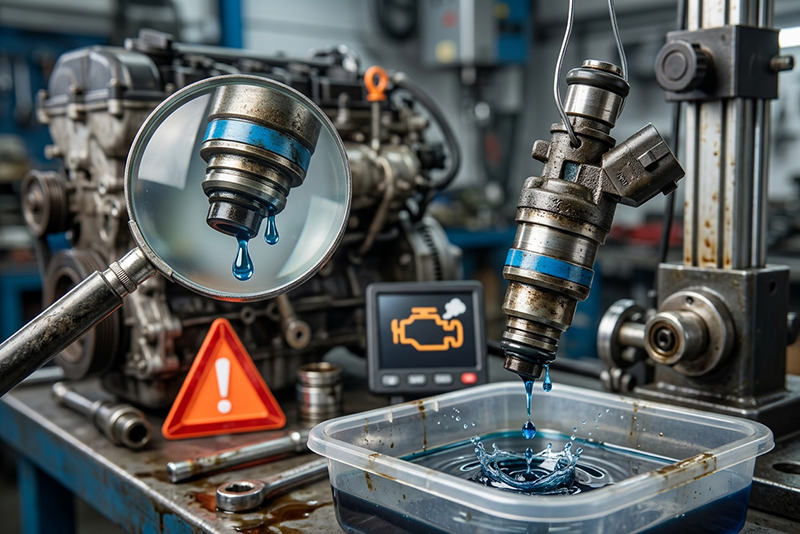
A wet injector is not a problem to ignore until the next service interval. Diesel fuel around the injector can damage wiring, attract dirt, create a fire risk, and turn a minor sealing issue into an expensive repair. So, why do injectors leak externally? The answer depends on exactly where the fuel or soot is escaping. A leak at the return fitting needs a different repair than a leak at the injector seat, injector body, or high-pressure fuel connection.
On modern common-rail diesel engines, fuel systems operate at extreme pressure. Never run your hand over a suspected high-pressure leak or loosen a fuel line with the engine running. High-pressure fuel can penetrate skin and requires immediate emergency medical attention. Shut the engine down, let pressure dissipate according to the service procedure, and diagnose the system carefully.
Why Do Injectors Leak Externally?
External injector leaks generally fall into two categories: fuel leaks and combustion leaks. Fuel leaks leave the injector, line, fitting, or seal wet with diesel. Combustion leaks may look dry at first, but they leave black carbon deposits around the injector base and often create a chuffing or ticking sound under load.
The leak location tells the story. Fuel around the top of the injector often points to a return line, connector seal, or injector body problem. Fuel at the high-pressure line connection can indicate a damaged line seat, incorrect line installation, or a fitting that was not torqued correctly. Wetness or black buildup at the injector base usually points to a failed copper sealing washer, damaged injector bore, or inadequate hold-down force.
Do not assume every wet injector is defective. Fuel can travel along a line, wiring harness, or valve cover surface before pooling around an injector. Clean the area completely before deciding which part has failed.
Common Causes of External Diesel Injector Leaks
Failed injector sealing washer
Many diesel injectors seal against the cylinder head with a copper washer. This washer is a one-time-use part on most applications. It must crush evenly to contain cylinder pressure and prevent combustion gases from escaping past the injector.
A reused washer, incorrect washer thickness, carbon left in the injector seat, or an injector that is not fully seated can all cause leakage. A loose or stretched hold-down bolt can produce the same result. The telltale sign is black, crusty carbon around the injector base, sometimes called blow-by. Left alone, that carbon can harden inside the bore and make future injector removal far more difficult.
Damaged O-rings and return-line seals
Return fuel systems use plastic fittings, hoses, O-rings, and quick-connect seals that become brittle with age and heat cycles. A small split in a return connector can leak only when the engine is running, which makes it easy to miss during a cold visual inspection.
O-rings can also fail after improper installation. Rolling, cutting, pinching, or installing a dry seal can create a leak immediately after injector replacement. Use the specified clean fuel or approved lubricant when the service procedure calls for it, and confirm that every seal is seated squarely.
Cracked injector body or damaged inlet connection
An injector can leak through the body itself. Corrosion, overtightened fittings, impact damage, manufacturing defects, or internal stress can create a crack near the inlet, return port, or solenoid area. In some cases, the crack is so fine that it only opens when the injector reaches operating temperature or rail pressure.
A damaged injector body is not a reseal-and-go repair. The injector needs replacement with a properly tested unit matched to the engine application. On electronically controlled engines, that can also mean entering the correct trim code or calibration information after installation.
High-pressure line and fitting problems
The steel high-pressure line must seal perfectly at the injector and rail. Dirt on the sealing surface, a line installed under side load, cross-threading, or improper torque can allow fuel to escape. Reusing a line that has been bent, damaged, or previously overtightened can create repeat leaks.
Some engines specify new high-pressure lines whenever injectors are replaced. Others allow reuse only if the line passes inspection and is installed according to the manufacturer procedure. It depends on the engine platform, but forcing a line into alignment is never acceptable. If the line does not sit naturally at both connection points, find out why before tightening it.
Incorrect installation or missing hardware
Injector leaks frequently appear right after repair work because an installation detail was missed. The injector bore may not have been cleaned, the old sealing washer may still be stuck in the cylinder head, the hold-down clamp may be installed backward, or the fastener may have been torqued incorrectly.
Missing brackets and line clamps matter, too. Vibration can fatigue a high-pressure line or work a return fitting loose over time. On commercial engines that see heavy vibration, long idle periods, and high operating hours, correct hardware installation is part of the repair, not an optional finishing step.
Contaminated fuel and system corrosion
Water, debris, and poor fuel filtration can contribute to injector corrosion and seal damage. Contamination may not directly cause an external leak on day one, but it can damage injector surfaces, clog return passages, and accelerate wear in the fuel system.
If an injector has failed from contamination, replacing only the leaking injector may not protect the repair. Inspect the fuel filter, fuel tank condition, supply lines, rail, and pump as appropriate for the engine. Metal debris from a failing high-pressure pump requires a much broader repair plan than a simple injector swap.
How to Locate the Leak Before Ordering Parts
Start with a cold engine and clean the entire injector area using an appropriate cleaner. Remove pooled fuel and carbon so fresh leakage is visible. Inspect the injector base, high-pressure line nuts, return fittings, injector body, nearby hoses, and valve cover gasket area.
Then run the engine only as needed for observation, keeping hands and clothing clear of high-pressure connections. A bright inspection light and small mirror can help identify whether fuel begins at the return port, line nut, or injector body. For suspected combustion leakage, listen for a sharp chuffing sound and watch for fresh black soot around the injector seat.
If the source is still unclear, use the engine manufacturer’s diagnostic procedures. Rail-pressure faults, excessive return flow, hard starts, misfires, smoke, and fuel dilution can provide context, but they do not automatically prove the external leak source. A cylinder contribution test or return-flow test may identify an injector with internal wear, while the visual inspection identifies the external sealing failure.
Repair the Cause, Not Just the Wet Spot
The correct repair is based on the failure point. A leaking return fitting may need a connector, hose, and new seals. A combustion leak at the base may require injector removal, bore cleaning, a new correct-spec sealing washer, new hold-down hardware where specified, and accurate torque procedures. A cracked injector or damaged high-pressure fitting calls for component replacement.
Before installing a replacement injector, inspect the bore closely. Remove carbon without gouging the seat or dropping debris into the cylinder. Verify that the old washer is not left behind. Use the application-specific installation kit, torque sequence, and torque-angle procedure. On engines requiring injector coding, program the injector correctly before releasing the truck.
A remanufactured injector can be a cost-effective repair, but only when it has been properly rebuilt, tested, and calibrated for the application. The lowest-priced injector is not a bargain if it causes repeat downtime, poor performance, or another teardown. Match the part number, engine serial range, emissions configuration, and fuel system requirements before ordering.
Preventing Repeat Injector Leaks
Preventive work begins with clean fuel and disciplined installation. Replace fuel filters on schedule, drain water separators, and investigate recurring water contamination instead of treating filters as the whole fix. Keep injector bores, line seats, and fittings clean during service. Even a small piece of debris can prevent a precision fuel connection from sealing.
Use new sealing washers and O-rings when required, replace damaged line clamps, and do not substitute generic hardware for critical injector hold-down components. After repair, inspect the engine at idle and after a road test for fresh fuel, soot, odor, or abnormal noise. A dry injector area is the standard.
When the source points to a failed injector, American Diesel Parts can help you get the correct tested replacement and supporting installation components for the job. Fix the actual leak path now, and your truck is far less likely to return with the same problem, more carbon buildup, and more lost work time.
How to Diagnose Diesel Air Compressor Failures
A truck that will not build air pressure is not a minor inconvenience. It can put the brakes, suspension, clutch assist, accessories, and the entire vehicle out of service. To diagnose diesel air compressors failures correctly, start by separating a compressor problem from an air-system problem. Replacing the compressor before confirming the cause can turn one repair into two.
Most heavy-duty diesel air compressors are engine-driven and depend on correct lubrication, cooling, governor operation, and unrestricted air flow. A slow pressure build, constant air loss, excessive oil in the system, or repeated air dryer trouble can all point toward the compressor. They can also point somewhere else. The diagnosis needs to follow the air path from compressor intake to tanks, not just the symptom on the dash gauge.
Start With the Pressure Build-Up Test
Begin with a cold truck on level ground, wheels chocked, and the air system drained as required by the vehicle manufacturer. Bring the engine to the specified test RPM and time how long it takes to build pressure through the normal operating range. Check the OEM service information for the exact standard, since engine family, compressor size, tank capacity, and vehicle configuration affect acceptable build time.
If the truck takes too long to build air, do not assume the compressor is weak. First look for obvious air leaks at tank fittings, brake chambers, valves, lines, the air dryer, and accessory circuits. A major leak can make a good compressor look incapable of keeping up.
If no external leak is found, observe whether pressure stops rising at a repeatable point. A system that builds normally to cut-out pressure but drops rapidly afterward usually has a leak or a malfunctioning valve downstream. A system that struggles to build from low pressure, especially under engine speed, deserves closer compressor, governor, and dryer inspection.
Check Whether the Compressor Is Loading and Unloading
The governor controls when the air compressor pumps and when it unloads. At cut-out pressure, the governor sends control air to the compressor unloader mechanism and, on many systems, triggers the air dryer purge cycle. When system pressure falls to cut-in pressure, the governor should release that control signal so the compressor can load again.
A failed governor, damaged control line, or sticking unloader can mimic compressor failure. If the compressor remains unloaded, it may spin normally but produce little or no air. If it cannot unload, it may continue pumping after cut-out pressure, creating excessive system pressure and stressing the dryer and safety valve.
Listen and watch during a controlled pressure cycle. The dryer should purge near cut-out, and the compressor should return to pumping as pressure drops to cut-in. If those events do not occur, inspect the governor ports, control-air plumbing, and unloader assembly before condemning the compressor.
Inspect the Intake Side Before Blaming the Air End
An engine-driven compressor needs a clean, unrestricted supply of intake air. Depending on the application, it may draw through the engine intake system or use a dedicated compressor intake arrangement. A collapsed intake hose, plugged fitting, damaged air filter, or debris at the intake can reduce compressor output and raise operating temperature.
Inspect hoses for soft spots, internal delamination, loose clamps, and oil saturation. Also verify that the compressor intake connection is sealed. An intake leak allows unfiltered air into the compressor, which accelerates cylinder, piston, and valve wear. Dirt ingestion can create a real compressor failure, but the intake restriction or leaking connection must be corrected before installing the replacement unit.
Check Discharge Temperature and Cooling Flow
High compressor discharge temperature is one of the most damaging conditions in a diesel air system. Excessive heat breaks down oil, carbonizes the discharge line, damages valves, overloads the air dryer, and shortens compressor life. It can also cause repeated dryer cartridge failure that gets incorrectly blamed on the dryer itself.
Carefully inspect the compressor discharge line for discoloration, hard carbon deposits, kinks, and restrictions. Never touch a discharge line immediately after operation. It can be hot enough to burn skin. If the line is restricted, pressure and heat stay at the compressor head, reducing output and damaging internal components.
Many diesel air compressors are cooled by engine coolant. Check coolant level, hoses, fittings, and coolant flow through the compressor circuit. A compressor with poor coolant circulation can overheat even when it is mechanically sound. If you are replacing a failed water-cooled compressor, flush contamination from the cooling passages and verify the replacement unit receives proper coolant flow.
Look for Oil Carryover in the Air System
Oil in the air tanks is a major diagnostic clue, but it is not an automatic verdict against the compressor. Light moisture and a small amount of residue may be expected in a working air system. Heavy oil accumulation in the dryer, wet tank, valves, or brake components is not normal and requires immediate attention.
Compressor oil carryover can result from worn piston rings, cylinder wear, damaged seals, failed valve plates, excessive crankcase pressure, or incorrect oil supply and drain conditions. A restricted oil drain is especially destructive. If oil cannot return freely to the engine, it backs up inside the compressor and can be pushed into the discharge system.
Check the compressor oil feed and drain lines for kinks, sludge, damaged fittings, and incorrect routing. Confirm the engine does not have excessive crankcase pressure from a plugged breather or internal engine issue. Installing a new or remanufactured compressor without correcting drain restrictions or crankcase pressure can ruin the replacement quickly.
When oil contamination is severe, replacing only the compressor may not restore dependable braking performance. The discharge line, air dryer, tanks, and affected valves may require cleaning or replacement. Contaminated rubber components can continue releasing oil after the original failure is repaired.
Distinguish Compressor Failure From Air Dryer Trouble
The air dryer is often the first component technicians see when the system has moisture, purge problems, or low pressure. However, the dryer cannot compensate for a compressor that runs too hot, sends oil downstream, or fails to deliver enough volume.
A dryer with a stuck purge valve can create a constant air leak that slows pressure buildup. A blocked dryer or failed check valve can restrict air flow into the tanks. Test the dryer according to the manufacturer procedure, but inspect the compressor discharge line and governor control circuit at the same time.
If the dryer repeatedly fails after replacement, look upstream. High heat, carbon debris, oil carryover, and incorrect governor operation commonly damage dryer components. The best repair is the one that removes the source of contamination, not just the part that showed the symptom first.
Confirm Mechanical Compressor Condition
Once leaks, intake restrictions, dryer issues, governor faults, cooling problems, and oil-line concerns have been checked, assess the compressor itself. Warning signs include abnormal knocking, grinding, air pulsing back through the intake, poor output under engine speed, oil contamination, or a compressor that will not load or unload despite proper control pressure.
Internal damage may involve the head, valve plate, unloader pistons, cylinder, piston, bearings, or drive gear. The repair decision depends on the compressor design, failure type, downtime requirements, and condition of the supporting systems. A scored cylinder, damaged crankshaft, or heavily contaminated air system often makes a quality remanufactured or new replacement the smarter choice.
Before ordering, verify the engine application, compressor model, mounting configuration, drive type, cooling arrangement, and port layout. Similar-looking compressors are not always interchangeable. For commercial trucks, getting the correct unit the first time matters more than saving a few minutes on parts identification.
Prevent the Next Air Compressor Failure
A replacement compressor should never go on without checking what caused the original one to fail. Inspect the intake plumbing, coolant circuit, oil feed and drain, governor, unloader lines, discharge line, dryer, and tanks. Replace restricted or carbon-filled discharge plumbing, repair leaks, and address oil contamination throughout the system.
For fleets and repair shops, document build-up time, cut-in and cut-out pressure, visible oil contamination, and parts replaced. Those records help identify repeat failures and protect uptime across similar trucks. American Diesel Parts can help match dependable air compressor options to major diesel applications when the diagnosis confirms the compressor is the problem.
A properly diagnosed repair restores more than air pressure. It restores confidence that the truck can leave the bay, hold pressure on the road, and stay productive where it earns its keep.
Remanufactured Versus New Injectors Explained
A diesel injector problem rarely shows up at a convenient time. It shows up as a hard start before a route, white smoke in the yard, a rough idle at the shop, or a truck that has lost the pulling power it needs to earn. When replacement time comes, the remanufactured versus new injectors decision affects more than the invoice. It affects repair quality, downtime, fuel system reliability, and the next service call.
For many diesel applications, a properly remanufactured injector is the best value. For others, a new injector is the right call. The difference is not simply old versus new. It comes down to injector design, the quality of the remanufacturing process, availability, programming requirements, the condition of the fuel system, and how much risk your operation can accept.
What You Are Actually Buying
A new injector is a newly manufactured component built to the original design specification or an approved replacement specification. Depending on the engine platform, it may be OEM, OE supplier, or premium aftermarket. It has not been in service before, and it typically arrives with all internal components new.
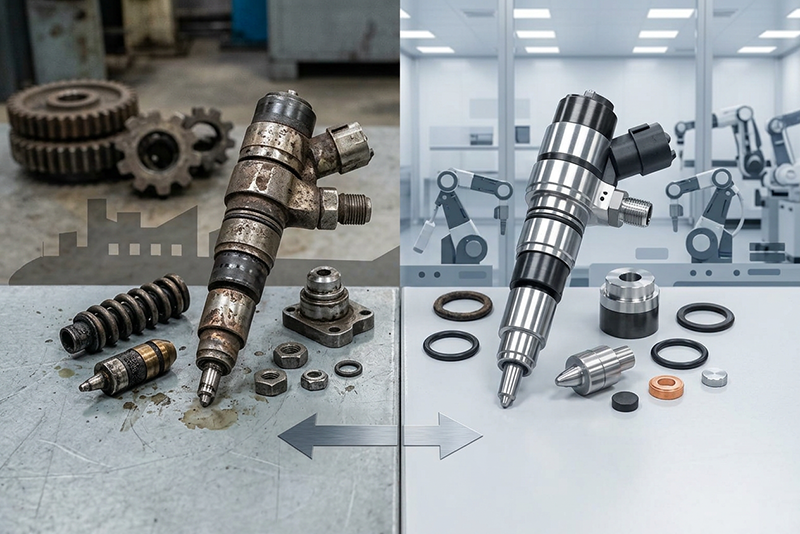
A remanufactured injector begins with a rebuildable core. That core is completely disassembled, cleaned, inspected, and measured. Worn or failed internal parts are replaced, then the injector is reassembled and tested to confirm it meets operating specifications. On electronically controlled common-rail systems, the work can also include generating or programming the correct trim code or calibration code.
That last point matters. An injector is not just a nozzle that sprays fuel. It is a precision fuel-metering component. On engines from Cummins, Detroit, Caterpillar, Ford Power Stroke, Duramax, International, Paccar, Volvo, and Mercedes-Benz, correct delivery volume, timing response, leak rate, and electrical performance all matter. A cheap injector that physically fits but does not perform correctly can create a much more expensive repair.
Remanufactured Versus New Injectors: The Real Differences
The largest advantage of remanufactured injectors is cost. A quality reman unit commonly costs less than a comparable new injector, which makes a meaningful difference when replacing a full set on a heavy-duty engine. For fleet maintenance managers and independent shops, that cost difference can free up budget for the fuel filters, lines, sealing hardware, cleaning work, and labor needed to complete the job correctly.
A remanufactured injector also puts usable material back into service instead of scrapping a repairable body. That is a practical benefit, but it should never be the primary reason to buy one. The primary reason is value – proven injector components rebuilt and tested to perform in a demanding diesel application.
New injectors offer a different kind of confidence. Since every component begins new, they can be the preferred choice when a particular application has a limited core supply, a difficult-to-remanufacture design, or a history of inconsistent rebuild quality in the market. They may also be the better option when the vehicle is under a manufacturer warranty that requires specific OE parts.
Neither option automatically wins. A new injector from an unknown source can be a poor purchase. A professionally remanufactured injector with advanced test results, proper calibration, and warranty coverage can be a stronger repair part than a bargain-priced new alternative.
Quality Comes Down to the Remanufacturing Process
The word “rebuilt” is used loosely in the diesel parts market. Some suppliers use it to describe an injector that has received basic cleaning and a few replacement pieces. That is not the same as a controlled remanufacturing process.
A dependable reman injector should be evaluated for body damage, corrosion, thread condition, electrical faults, internal wear, nozzle condition, and sealing surfaces. Components that do not meet specification should be replaced, not reused because they look acceptable. The finished injector should be tested on equipment designed for its fuel system type, verifying critical performance measurements rather than relying on a simple bench check.
For common-rail injectors, calibration is especially important. Small variations in fuel delivery can affect combustion balance, cylinder contribution, emissions equipment performance, fuel economy, and engine noise. Where the application requires it, the injector must have the correct trim code or programming information entered into the engine control module after installation. Skipping that step can leave a good injector performing like a bad one.
This is why part number accuracy matters. Do not order solely by engine displacement, truck model year, or visual similarity. Verify the engine serial number, injector part number, emissions configuration, and, when applicable, the original calibration code. A knowledgeable diesel parts supplier should help confirm fitment before the part leaves the warehouse.
When Remanufactured Injectors Make the Most Sense
Remanufactured injectors are often the practical answer for working trucks that need reliable repairs without the premium cost of all-new components. They are a strong option when the remanufacturer has a documented testing process, the injectors are correctly programmed, and warranty support is available.
They make particular sense for a fleet replacing multiple injectors on a high-mileage engine, an owner repairing an older truck with a solid engine, or a shop handling a customer repair where cost control matters. The savings can support the rest of the job, including new injector seals, hold-down hardware when required, fuel filtration, and fuel system cleaning.
Core returns are part of the equation. Your removed injectors may have rebuildable value, even if they are no longer fit for service. Keep the cores complete, protect them from shipping damage, and return them according to the supplier’s instructions. A damaged, incomplete, or non-rebuildable core can reduce or eliminate the expected core credit.
When New Injectors Are Worth the Extra Cost
New injectors may be the better choice when the truck has a long service life ahead and the repair budget supports OE or premium new components. They are also worth considering for severe-duty applications where a failure would be exceptionally disruptive, such as equipment supporting a time-sensitive construction project, dedicated long-haul units, or specialized commercial vehicles.
Choose new when the application calls for it, not because “new” sounds safer. A new injector does not correct contaminated fuel, a failing lift pump, worn high-pressure fuel components, or improper installation. If the root cause remains in the system, the replacement injector can fail early regardless of which option you chose.
Availability can also decide the issue. Some engines have strong reman support and readily available cores. Others may have limited reman options but good access to new units. When a truck is parked and freight is waiting, the best injector is the correct, tested unit that can be installed properly without delay.
Protect the Injector Investment Before Installation
Injector replacement should never be treated as a parts-swap-only repair. Before installation, determine why the original injector failed. Check fuel quality, water contamination, filtration intervals, tank debris, low-pressure supply issues, rail pressure concerns, wiring faults, and return-flow problems. On systems affected by metal contamination, replacing injectors alone is not enough. The high-pressure pump, rails, lines, tank, and related components may require cleaning or replacement based on the failure severity. En estos casos, un contamination kit puede ser la solución más segura.
Use clean fuel, clean tools, and correct installation procedures. Follow torque specifications, replace single-use seals and connectors where required, and keep dirt out of every open fuel connection. Even a small amount of contamination can damage precision injector components.
After installation, complete any required coding or relearn procedure, clear faults, verify rail pressure, inspect for leaks, and road-test the truck under conditions that reflect its normal workload. A smooth idle in the service bay is not the final test for a truck that pulls weight all day.
Make the Choice Based on the Repair, Not the Label
The right decision is based on part quality and repair conditions. A tested, properly calibrated remanufactured injector backed by a 12-month limited warranty can deliver dependable performance and serious savings. A quality new injector can be the right investment for certain applications, warranty requirements, or operating demands.
American Diesel Parts supplies diesel injectors for the engines that keep commercial trucks, work pickups, and equipment moving, with technical support to help match the correct part to the job. Bring the engine details, injector numbers, and failure symptoms to the conversation. The more accurately the repair starts, the better chance your truck has of leaving the bay ready to work instead of coming back for the same problem.

Parts for Fleet Diesel Maintenance That Cut Downtime
A fleet truck rarely fails at a convenient time. An injector starts overfueling on a loaded route, a turbo loses boost before a scheduled delivery, or a high-pressure fuel pump sends contamination through the system after the truck has already lost a day of work. Choosing the right parts for fleet diesel maintenance is not just a purchasing task. It is how you control downtime, protect labor hours, and keep repair costs from turning into repeat failures.
For fleet operators and repair shops, the lowest upfront price is rarely the lowest operating cost. The right component must match the engine, meet the job’s duty cycle, install correctly, and come from a supplier that can help when a part number, trim code, or core question needs an answer.
Parts for Fleet Diesel Maintenance Start With Failure Prevention
A maintenance plan should separate routine wear items from parts that can trigger major secondary damage. Filters, belts, hoses, and sensors need scheduled attention, but fuel system and air management components deserve closer diagnosis before a failure puts a truck out of service.
Modern diesel engines depend on precise fuel delivery, controlled boost, clean air, and accurate electronic feedback. A weak injector can create excessive smoke, rough idle, poor fuel economy, or piston damage if ignored. A sticking turbo actuator can reduce power and force the engine into a derate condition. A failing high-pressure fuel pump can be far more expensive because metal debris may contaminate injectors, rails, lines, and the tank.
That is why maintenance purchasing should follow the failure pattern, not just the visible symptom. Replacing one damaged injector without addressing water, debris, or pump wear in the fuel system may send the truck back into the shop within weeks. Installing a turbo without correcting an oil-feed restriction, charge-air leak, or failed actuator can produce the same result.
The best repair begins with a complete inspection and ends with the parts required to prevent a repeat repair.
Build Your Stock Around the Components That Stop Trucks
A fleet does not need to stock every possible part. It does need a practical inventory strategy based on engine population, service routes, truck age, and the repairs that most often create downtime. A fleet with Cummins-powered pickups has different needs than a regional operation running Detroit, Paccar, Volvo, or International engines.
For most diesel operations, priority components include fuel injectors, fuel pumps, turbochargers, electronic turbo actuators , EGR coolers , air compressors , and contamination kits, Installation kits matter too. New seals, gaskets, lines, and hardware can be the difference between a clean repair and a comeback.
Fuel injectors and fuel pumps
Injectors are precision components, not generic replacement parts. Correct application, calibration, and programming matter. On applicable systems, remanufactured injectors with the correct trim code programming help the ECM deliver fuel as intended. That protects performance, emissions operation, and drivability.
Fuel pumps require an even more disciplined approach. If a high-pressure pump fails internally, do not assume a pump-only replacement is enough. Inspect the entire system for contamination. Depending on the engine and failure severity, the repair may call for a contamination kit that includes injectors, rails, lines, and related fuel components. The larger repair cost is real, but skipping it can create a second failure that costs more in parts, labor, towing, and missed revenue.
Turbochargers and electronic actuators
A replacement turbo must match the engine configuration and emissions setup. Before ordering, confirm the engine serial number, vehicle application, actuator arrangement, and the original cause of failure. Oil starvation, contaminated oil, restricted drains, damaged charge-air piping, and exhaust leaks can all shorten the life of a new or remanufactured turbo.
Electronic actuators deserve the same attention. In many applications, the actuator and turbo operate as a matched system. An actuator may need calibration or programming after installation. A fault code alone does not prove the actuator is bad, so technicians should verify wiring integrity, vane movement, commanded position, and mechanical condition before replacing parts.
EGR coolers, air compressors, and accessory components
EGR cooler failures can show up as coolant loss, white exhaust smoke, pressure issues, or recurring emissions faults. The correct repair depends on whether the cooler itself has failed or whether another cooling-system issue caused the damage. Inspect related hoses, clamps, coolant condition, and system pressure rather than treating the cooler as an isolated part.
Air compressors also affect more than air pressure. On commercial trucks, compressor performance is directly tied to braking reliability and operating readiness. Excessive oil carryover, slow air build, or repeated governor-related symptoms should be diagnosed promptly. When replacement is necessary, use the correct compressor and installation components for the engine platform.
OEM, Remanufactured, or Premium Replacement: Choose for the Job
There is no single best sourcing category for every fleet. The right choice depends on truck value, expected service life, warranty needs, budget, and how costly another repair would be.
OEM parts are often the preferred option when factory-specific fitment, software compatibility, or original design requirements are the priority. They can be a strong choice for newer trucks, specialized applications, or repairs where exact manufacturer configuration is critical.
Quality remanufactured components offer a practical alternative when they are rebuilt to the correct standard. A properly remanufactured injector, turbocharger, or fuel pump should be disassembled, inspected, cleaned, rebuilt with qualified components, and tested on equipment designed for that part. Remanufacturing is not simply cleaning up an old unit and putting it back in a box.
Premium replacement parts can also make sense for certain applications, especially when a fleet needs an economical repair on older equipment. The key is to avoid treating all aftermarket parts as equal. Verify application data, warranty terms, and the supplier’s technical capability before putting a critical component on a revenue-producing truck.
For a truck scheduled to run another 300,000 miles, a tested remanufactured or OEM-grade part may be the better financial decision even if it costs more than an unknown alternative. For a unit nearing retirement, the calculation may change. Good fleet maintenance weighs the total cost of ownership, not the invoice alone.
Verify Fitment Before the Truck Is Apart
Parts errors waste time that a busy shop does not have. The engine family, year, vehicle model, and broad part description are a starting point, not always enough for a correct order. Diesel applications can vary by engine serial range, emissions configuration, calibration, connector style, actuator type, and original equipment number.
Before ordering a high-value part, collect the VIN, engine serial number, current part number, fault codes, and any visible tag information. If an injector or actuator is being replaced, record the exact number on the removed part when possible. This gives the supplier and technician the information needed to confirm fitment before installation begins.
It also helps to confirm what comes in the box. Some components include seals or related hardware; others require a separate installation kit. A missing gasket or line can turn a same-day job into an overnight delay.
Make Core Returns Part of the Repair Process
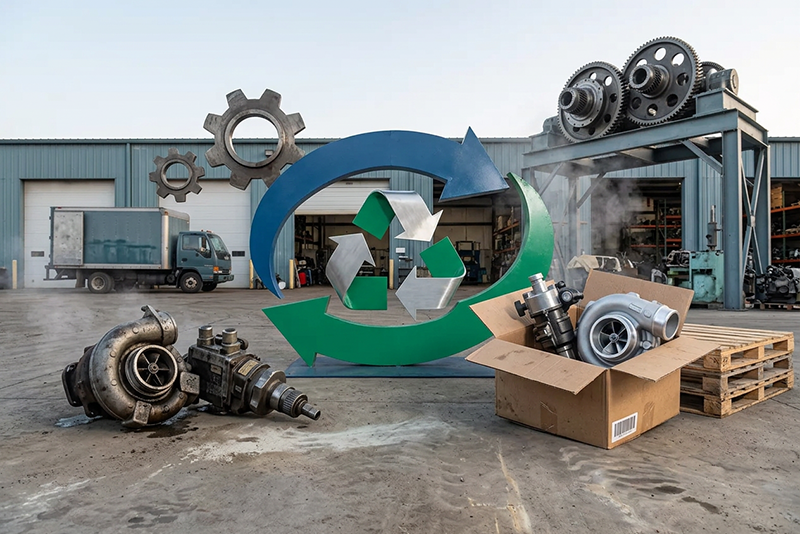
Core returns are part of the economics of remanufactured diesel parts. The old injector, turbo, fuel pump, or actuator has rebuild value when it is returned complete and in acceptable condition. Failing to return it can leave the fleet responsible for a core charge that should have been recovered.
Set up a simple core process in the shop. Keep the removed unit with its original packaging when possible, drain fluids as required, protect openings from contamination, and label it to the completed repair order. Return it promptly using the supplier’s core-return instructions and shipping label process.
Do not use core returns as a place to send unrelated or heavily damaged parts without checking the policy. Fire damage, missing pieces, broken housings, and disassembled units can affect core credit. A clear process protects the fleet’s budget and keeps quality rebuildable components in circulation.
Use Technical Support Before a Small Problem Becomes a Repeat Repair
A parts supplier should do more than take an order. When a technician is comparing injector numbers, determining whether a fuel system requires a contamination kit, or confirming an actuator application, direct technical support can prevent the wrong repair from reaching the bay.
American Diesel Parts supports diesel owners, fleets, and repair shops with tested remanufactured, rebuilt, OEM, and premium replacement components for major platforms including Caterpillar, Cummins, Detroit, International, Mercedes-Benz, Volvo, Ford, Dodge, Paccar, and Denso. Inventory confirmation, application assistance, trim code programming on applicable remanufactured injectors, and warranty coverage give repair teams a better path from diagnosis to installation.
Keep the truck’s operating record close to the repair decision. When the right part, the right installation procedure, and the actual cause of failure line up, your fleet gets more than a completed work order. It gets another truck back where it earns its keep: on the road.
How Does Core Return Work for Diesel Parts?
A replacement injector shows up, the truck is down, and the old unit is sitting on the bench. That is usually when the question comes up – how does core return work, and what happens if the old part is damaged, incomplete, or late getting shipped back?
For diesel truck owners, fleets, and repair shops, the core process is not just a paperwork detail. It directly affects the final cost of the repair, whether a remanufactured part makes sense, and how fast that old component needs to move back out the door. If you understand the process upfront, you avoid delays, protect your core credit, and keep the job moving.
How does core return work?
At the most basic level, a core is your used diesel part. It might be an injector, turbocharger, fuel pump, actuator, air compressor, or another rebuildable component. When you buy a remanufactured replacement, the seller often needs your old part returned so it can be inspected, rebuilt, tested, and put back into circulation.
That is why many reman parts include a core charge or core deposit. You pay for the replacement part, and you may also pay an additional amount tied to the old unit. Once the old part is returned and passes inspection under the supplier’s core policy, that deposit is credited back.
This model keeps remanufactured diesel parts available and helps control cost. Without usable cores coming back, rebuilders cannot maintain supply. That means fewer units on the shelf and higher replacement costs for customers who need dependable parts fast.
Why core returns matter on diesel components
Core returns are especially common in heavy-duty diesel because many major components are expensive, rebuildable, and worth restoring when the castings and housings are still serviceable. A reman injector body, turbo center section, or pump housing can often be rebuilt to reliable operating standards if the base unit has not been destroyed.
That matters in the real world because remanufactured parts usually offer a strong value. You are not paying the same price as brand-new OEM in many cases, but you still need a component that has been properly inspected, rebuilt, and tested for service. The core system is what makes that pricing model possible.
For working trucks, that balance matters. Fleets and shops are not buying theory – they are buying uptime. If a core return lowers the final repair bill without sacrificing reliability, it is doing its job.
What happens during a core return
In most cases, the process is straightforward. You order the replacement part, install it, and send back the old unit. The returned core is then inspected to confirm it matches the original application requirements and is suitable for rebuilding.
If the core meets the supplier’s standards, the credit is issued. If it does not, the return may be denied in full or reduced based on the condition of the part. That is where many misunderstandings happen. Customers assume any old part qualifies, but rebuilders are looking at whether the unit is complete, correct, and rebuildable.
For example, a diesel injector core usually needs to be the proper model, not cracked beyond repair, and not missing major components. A turbo core may be rejected if the housing is broken, the unit was heavily contaminated, or critical sections are damaged beyond rebuild limits. The same logic applies to pumps, actuators, and air compressors.
What counts as a good core
A good core is usually the same type of part you purchased, returned in rebuildable condition, with its major components intact. Normal wear is expected. Internal failure is expected. What is not always acceptable is severe physical destruction.
A core may lose value or be rejected if it has a cracked housing, broken mounting points, welded repairs, missing pieces, or heavy rust and contamination that make rebuilding impractical. Fire damage, impact damage, and parts that were disassembled and sent back incomplete can also create problems.
This is why it pays to handle removed components carefully. Tossing an injector set or turbo core loose into a dirty bin can cost money later. Cap open ports when possible, drain fluids as required, and package the core so it arrives in the same condition it left your shop.
How does core return work with deposits and credits?
The financial side is simple once you know the sequence. First, you buy the replacement component. If a core charge applies, it is added to the order total. That charge is not the price of the replacement part itself – it is a temporary amount held until the old unit is returned and approved.
After the supplier receives and inspects the core, a refund or credit is processed according to the return terms. Timing can vary depending on shipping, intake volume, and inspection procedures. Shops that plan around this process do better than shops that treat it like an afterthought.
There is one practical point here: cash flow. If you are ordering multiple injectors, pumps, or turbos for several trucks, outstanding core deposits can add up fast. Returning old units promptly is one of the easiest ways to avoid tying up unnecessary dollars in a fleet maintenance budget.
Common reasons cores get rejected
Most rejected cores fall into a few categories. The wrong part gets sent back. The part is incomplete. The damage is too severe for rebuilding. Or the return arrives too late under the supplier’s policy.
Cross-brand and cross-application mistakes happen more than they should, especially in busy shops. A Cummins component sent back against a different part number, or a mismatched actuator returned for credit on another unit, can slow everything down. Clean identification matters.
Contamination is another issue. If a failed fuel system spread metal through injectors and pumps, the returned parts may still be rebuildable, but the supplier needs to evaluate them correctly. In some cases, contamination is expected. In others, it can reduce core value depending on the extent of damage.
Best practices for shops and fleets
If you want the core process to work in your favor, treat returned parts like recoverable assets. Tag them as soon as they come off the engine. Match them to the repair order. Store them where they will not get damaged or mixed with scrap.
It also helps to confirm the supplier’s core policy before the part ships. Ask about return windows, required packaging, acceptable damage, and whether a prepaid label is available. That is a practical move, not a clerical one. It can be the difference between getting full credit and eating the deposit.
For higher-value diesel components, a quick photo before shipping is smart. If there is a dispute about condition or completeness, you have a record of what left your facility.
Why the supplier’s rebuild process matters
Not all reman parts are equal, and not all core programs support the same level of quality. A real diesel parts operation does more than collect old units and clean them up. The value comes from inspection, machining where needed, replacement of wear items, testing, and application-specific standards.
That is why the core system should be viewed as part of the quality chain, not just a refund mechanism. When returned injectors, turbos, and pumps go through a disciplined rebuild process, the next customer gets a better part. That keeps reman viable for working diesel equipment.
For buyers, that also means choosing a supplier that understands diesel applications, not just part numbers. American Diesel Parts, for example, builds its process around tested components, rebuild logistics, and support for returned cores so customers can keep repairs moving without guessing their way through the details.
When core return may not be worth it
There are cases where the answer depends on the condition of the old part and the economics of the job. If the component is catastrophically damaged, incomplete, or has been sitting outside for years, it may not qualify for meaningful credit. At that point, you need to weigh the shipping effort against the likely return.
The same goes for low-value cores with high freight cost. On some jobs, especially in remote areas or with badly damaged heavy components, the numbers may be tighter. That is why clear communication with the supplier matters before you assume what the credit will be.
A good core program saves money, supports part availability, and helps keep quality reman diesel components in circulation. The key is simple: return the correct part, return it on time, and return it in the best condition possible. If you treat core handling as part of the repair instead of something to figure out later, the process works the way it should – and your final cost is a lot easier to control.
When to Replace EGR Cooler on a Diesel
A diesel truck that starts losing coolant with no obvious external leak usually points technicians in one direction fast – the EGR cooler. If you are asking when to replace EGR cooler components, the right answer is not based on mileage alone. It comes down to symptoms, engine platform, failure history, and how much risk you are willing to carry before a small emissions problem turns into a major repair.
On a working truck, waiting too long can cost you more than the cooler itself. A failed EGR cooler can contaminate the intake side, trigger recurring fault codes, create white exhaust smoke, and in some engines contribute to more serious issues if coolant makes its way where it should not. For owner-operators, fleets, and repair shops, the real question is not whether the part is important. It is how to recognize the point where replacement is the smart move.
When to replace EGR cooler based on real symptoms
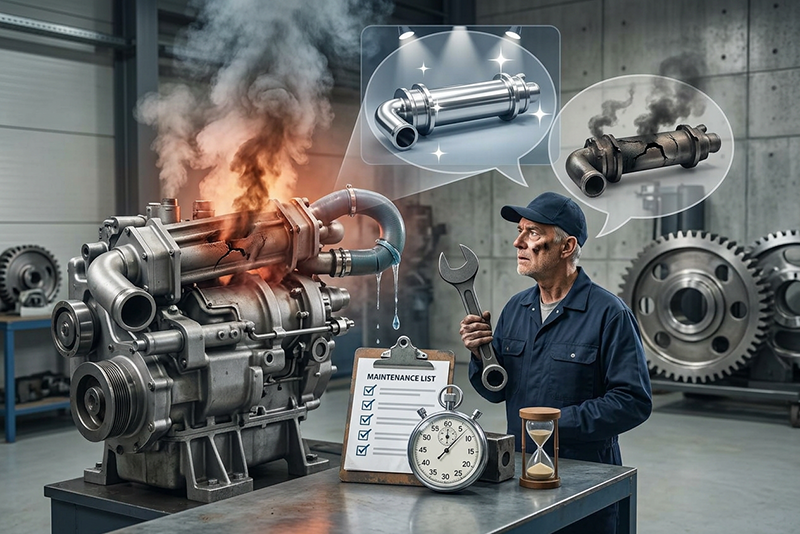
The clearest time to replace an EGR cooler is when it is leaking internally or restricted enough to affect engine operation. In heavy-duty and pickup diesel applications, that usually shows up as unexplained coolant loss, white smoke after warm-up, repeated overheating concerns, or EGR-related trouble codes that keep returning after other checks.
A pressure test often tells the story. If the cooling system will not hold pressure and there is no visible external leak, the EGR cooler moves high on the suspect list. The same is true when the intake tract shows signs of moisture or coolant residue. On some platforms, a cooler can fail gradually. The truck may still run, but coolant consumption rises and drivability starts to suffer.
Restriction matters too. Not every bad cooler leaks. Some become packed with soot and carbon, reducing exhaust gas flow and hurting EGR performance. That can trigger check engine lights, poor regeneration behavior on emissions-equipped trucks, higher combustion temperatures, and inconsistent performance under load. If cleaning is not practical or the restriction is severe, replacement is usually the better repair.
Common signs your EGR cooler is done
Coolant loss is the sign most shops take seriously first, and for good reason. A small internal leak can be easy to miss early, especially if the truck still starts and pulls normally. But if the degas bottle keeps dropping and pressure tests do not reveal hoses, water pump, or radiator problems, the cooler needs a close inspection.
White exhaust smoke is another major clue, especially after the engine reaches operating temperature. A brief puff on startup is one thing. Ongoing white smoke with a sweet smell points to coolant entering the exhaust stream. That does not guarantee the EGR cooler is the only cause, but it is one of the most common causes on many diesel engines.
Some failures show up through rough running, loss of power, or repeated EGR efficiency codes. In those cases, the cooler may not be cracked. It may simply be restricted enough that the EGR system cannot flow as commanded. Technicians should also pay attention to elevated exhaust temperatures, repeated derate conditions, and poor fuel economy when the rest of the system checks out.
Mileage alone does not decide it
A lot of buyers want a mileage number, but there is no universal service interval for when to replace EGR cooler assemblies. One truck may go well past 200,000 miles on the original cooler. Another may fail much earlier due to operating conditions, poor coolant maintenance, frequent idling, or repeat soot loading.
Fleet duty cycles matter. Trucks that spend long hours idling, making short runs, or operating in stop-and-go service tend to build more soot and heat stress into the emissions system. Engines that already run hot or have a history of contamination can shorten cooler life as well. If the truck works in construction, agriculture, or severe service, you should expect more wear than a lightly loaded highway unit.
That is why experienced diesel shops diagnose by condition, not just odometer reading. Mileage helps with context, but symptoms and testing should drive the repair decision.
Replace or clean – what makes sense?
This is where it depends. If the EGR cooler is only moderately restricted and the core is still structurally sound, some shops may attempt cleaning. That can make sense on certain platforms when labor access is reasonable and there is no sign of cracking, coolant loss, or repeated failure.
But cleaning is not a cure for a leaking cooler, and it is not always worth the labor on a high-mileage unit. If the truck already has coolant loss, internal corrosion, thermal fatigue, or heavy contamination, replacement is the better call. Reinstalling a questionable cooler to save a little money up front can bring the truck right back into the bay.
For working diesel equipment, uptime usually decides it. If labor is significant and the existing part has already shown multiple warning signs, replacing it with a quality remanufactured, rebuilt, OEM, or premium replacement unit is often the most cost-effective move.
Why EGR coolers fail in the first place
Heat cycling is a big one. EGR coolers live in a harsh environment where exhaust heat and coolant flow are constantly working against the internal structure. Over time, repeated expansion and contraction can crack the core or weaken joints.
Coolant condition also plays a direct role. Old, contaminated, or incorrect coolant can contribute to corrosion inside the cooler and the rest of the system. If the cooling system has scale, debris, or oil contamination, the EGR cooler may become both a victim and a warning sign.
Soot loading is the other major factor. Excessive idling, injector problems, turbo issues, failed sensors, and poor combustion can all increase soot. That soot packs into the cooler and reduces flow. In some cases, the cooler itself is not the root cause – it is the part that finally shows the system has been running dirty for a while.
What to inspect before replacing the cooler
A smart repair does not stop at the cooler. Before replacing the part, the system needs to be checked for the reason it failed. If not, the new unit can be put under the same stress right away.
Start with coolant condition and cooling system pressure integrity. Check for contamination, incorrect coolant, restricted passages, and any overheating history. Then look at the EGR valve, DPF behavior, turbocharger condition, and injector performance. If the engine is overfueling or producing excess soot, the replacement cooler may plug up again.
This is also the time to inspect related gaskets, seals, clamps, and install hardware. Reusing compromised components can create leaks, comebacks, and unnecessary downtime. For many repair shops, replacing accessory installation items during the job is simply cheaper than opening the system again.
Don’t ignore the timing of the repair
There is a difference between a truck that can finish the week and a truck that is one pull away from a roadside event. If the EGR cooler has a confirmed internal leak, the safest move is replacement before the truck returns to hard service. Coolant entering the exhaust side can escalate fast, especially under load.
If the issue is restriction without leakage, you may have a little more room to plan the job. But even then, waiting too long can mean more fault codes, more regeneration problems, and more strain on related emissions components. Delaying repair rarely makes the total bill smaller.
For fleets, this is where preventive scheduling pays off. If a truck shows early warning signs and the cooler is already coming off for related work, replacing it before a hard failure can protect uptime. That is especially true on engines known for recurring EGR cooler issues.
Choosing the right replacement matters
Not all replacement parts are equal, and EGR coolers are not a place to gamble on questionable quality. Heavy-duty diesel operators need a unit that has been built and tested for real service, not just boxed and shipped.
That means paying attention to fitment, engine compatibility, build quality, and supplier support. A dependable source should be able to confirm application details, answer technical questions, and back the part with a real warranty. For shops and fleets balancing cost against reliability, a properly remanufactured or premium replacement cooler can be a strong value if the process behind it is solid.
American Diesel Parts serves this market because diesel repair needs more than a catalog listing. It needs tested parts, application accuracy, and support that helps keep trucks moving.
If your truck is losing coolant, pushing white smoke, throwing repeat EGR codes, or showing clear restriction in the cooler, do not wait for the failure to make the decision for you. The best repair timing is before the truck takes itself out of service.
Power and performance: Diesel parts
High-quality diesel parts like performance turbochargers, injectors, pumps, actuators, pumps and egr coolers will unleash the full power potential of your engine.
You’ll enjoy increased horsepower, torque, and throttle response so you can tow heavy loads with ease. Your rig will run smoother and stronger for the long haul.
Reliability
Premium diesel parts from reputable brands are built to high standards to handle the extreme stresses of heavy-duty driving. They go through rigorous testing to ensure maximum durability and service life. With quality parts under the hood, you’ll rack up hundreds of thousands of miles without worry. No more roadside emergencies or towing fees!
Fuel Efficiency
When you install upgraded diesel parts like performance modules, air filters, and low-restriction exhaust systems, your engine can breathe better and operate more efficiently. This maximizes your fuel mileage so you can save money at the pump. Some performance upgrades have shown to improve fuel economy by up to 20% or more!
So, about Diesel Injectors. New or rebuilt?
INTRODUCTION
When your truck’s fuel injector fails, you are faced with a choice: replace the faulty injector with a new one or buy a rebuilt injector. While buying a new injector might seem like the logical choice, buying a rebuilt injector can be a more cost-effective solution. In this article, we’ll explore the benefits of buying a rebuilt injector over a new one and why it might be the smarter choice for you.
WHAT IS A REBUILT INJECTOR?
A rebuilt injector, also known as a remanufactured injector, is a used injector that has been refurbished to meet or exceed the original manufacturer’s specifications. The injector is taken apart, thoroughly cleaned, and all the worn or damaged parts are replaced with new ones, following OEM specifications. Once the injector has been rebuilt, it is tested to ensure it is functioning correctly.
BENEFITS OF BUYING A REBUILT INJECTOR
CONCLUSION
Buying a new injector might seem like the logical choice, buying a rebuilt injector can be your better option.

Find Us at WORLD AG EXPO®
DTIS DIesel LLC. will be assisting at WORLD AG EXPO. We hope to see you there between Febraury 14th & 15th at 4500 S. Laspina St., Tulare, CA.
find us at Pavilion A-B, Booth 10-11

¿What is WORLD AG EXPO®?
World Ag Expo® is one of the largest Agricultural trade shows in the world with more than 1,200 exhibitors on 2.6 million square feet of exhibit space. The show offers a wide range of ag-related exhibitors and seminars. Learn about innovative agricultural products while you also network, try, and buy. See the future of agriculture at World Ag Expo®!
¿What does the ticket cost?
Tickets are $20. Children ages 6 & under are free. More info at www.worldagexpo.com