

Blog
Parts for Fleet Diesel Maintenance That Cut Downtime

A fleet truck rarely fails at a convenient time. An injector starts overfueling on a loaded route, a turbo loses boost before a scheduled delivery, or a high-pressure fuel pump sends contamination through the system after the truck has already lost a day of work. Choosing the right parts for fleet diesel maintenance is not just a purchasing task. It is how you control downtime, protect labor hours, and keep repair costs from turning into repeat failures.
For fleet operators and repair shops, the lowest upfront price is rarely the lowest operating cost. The right component must match the engine, meet the job’s duty cycle, install correctly, and come from a supplier that can help when a part number, trim code, or core question needs an answer.
Parts for Fleet Diesel Maintenance Start With Failure Prevention
A maintenance plan should separate routine wear items from parts that can trigger major secondary damage. Filters, belts, hoses, and sensors need scheduled attention, but fuel system and air management components deserve closer diagnosis before a failure puts a truck out of service.
Modern diesel engines depend on precise fuel delivery, controlled boost, clean air, and accurate electronic feedback. A weak injector can create excessive smoke, rough idle, poor fuel economy, or piston damage if ignored. A sticking turbo actuator can reduce power and force the engine into a derate condition. A failing high-pressure fuel pump can be far more expensive because metal debris may contaminate injectors, rails, lines, and the tank.
That is why maintenance purchasing should follow the failure pattern, not just the visible symptom. Replacing one damaged injector without addressing water, debris, or pump wear in the fuel system may send the truck back into the shop within weeks. Installing a turbo without correcting an oil-feed restriction, charge-air leak, or failed actuator can produce the same result.
The best repair begins with a complete inspection and ends with the parts required to prevent a repeat repair.
Build Your Stock Around the Components That Stop Trucks
A fleet does not need to stock every possible part. It does need a practical inventory strategy based on engine population, service routes, truck age, and the repairs that most often create downtime. A fleet with Cummins-powered pickups has different needs than a regional operation running Detroit, Paccar, Volvo, or International engines.
For most diesel operations, priority components include fuel injectors, fuel pumps, turbochargers, electronic turbo actuators , EGR coolers , air compressors , and contamination kits, Installation kits matter too. New seals, gaskets, lines, and hardware can be the difference between a clean repair and a comeback.
Fuel injectors and fuel pumps
Injectors are precision components, not generic replacement parts. Correct application, calibration, and programming matter. On applicable systems, remanufactured injectors with the correct trim code programming help the ECM deliver fuel as intended. That protects performance, emissions operation, and drivability.
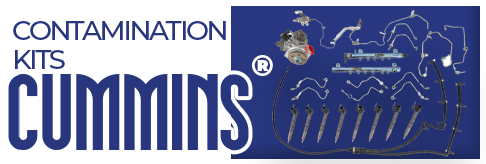
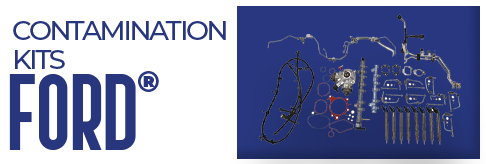
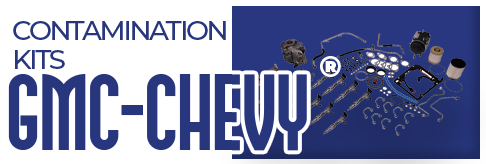
Fuel pumps require an even more disciplined approach. If a high-pressure pump fails internally, do not assume a pump-only replacement is enough. Inspect the entire system for contamination. Depending on the engine and failure severity, the repair may call for a contamination kit that includes injectors, rails, lines, and related fuel components. The larger repair cost is real, but skipping it can create a second failure that costs more in parts, labor, towing, and missed revenue.
Turbochargers and electronic actuators
A replacement turbo must match the engine configuration and emissions setup. Before ordering, confirm the engine serial number, vehicle application, actuator arrangement, and the original cause of failure. Oil starvation, contaminated oil, restricted drains, damaged charge-air piping, and exhaust leaks can all shorten the life of a new or remanufactured turbo.
Electronic actuators deserve the same attention. In many applications, the actuator and turbo operate as a matched system. An actuator may need calibration or programming after installation. A fault code alone does not prove the actuator is bad, so technicians should verify wiring integrity, vane movement, commanded position, and mechanical condition before replacing parts.
EGR coolers, air compressors, and accessory components
EGR cooler failures can show up as coolant loss, white exhaust smoke, pressure issues, or recurring emissions faults. The correct repair depends on whether the cooler itself has failed or whether another cooling-system issue caused the damage. Inspect related hoses, clamps, coolant condition, and system pressure rather than treating the cooler as an isolated part.
Air compressors also affect more than air pressure. On commercial trucks, compressor performance is directly tied to braking reliability and operating readiness. Excessive oil carryover, slow air build, or repeated governor-related symptoms should be diagnosed promptly. When replacement is necessary, use the correct compressor and installation components for the engine platform.
OEM, Remanufactured, or Premium Replacement: Choose for the Job
There is no single best sourcing category for every fleet. The right choice depends on truck value, expected service life, warranty needs, budget, and how costly another repair would be.
OEM parts are often the preferred option when factory-specific fitment, software compatibility, or original design requirements are the priority. They can be a strong choice for newer trucks, specialized applications, or repairs where exact manufacturer configuration is critical.
Quality remanufactured components offer a practical alternative when they are rebuilt to the correct standard. A properly remanufactured injector, turbocharger, or fuel pump should be disassembled, inspected, cleaned, rebuilt with qualified components, and tested on equipment designed for that part. Remanufacturing is not simply cleaning up an old unit and putting it back in a box.
Premium replacement parts can also make sense for certain applications, especially when a fleet needs an economical repair on older equipment. The key is to avoid treating all aftermarket parts as equal. Verify application data, warranty terms, and the supplier’s technical capability before putting a critical component on a revenue-producing truck.
For a truck scheduled to run another 300,000 miles, a tested remanufactured or OEM-grade part may be the better financial decision even if it costs more than an unknown alternative. For a unit nearing retirement, the calculation may change. Good fleet maintenance weighs the total cost of ownership, not the invoice alone.
Verify Fitment Before the Truck Is Apart
Parts errors waste time that a busy shop does not have. The engine family, year, vehicle model, and broad part description are a starting point, not always enough for a correct order. Diesel applications can vary by engine serial range, emissions configuration, calibration, connector style, actuator type, and original equipment number.
Before ordering a high-value part, collect the VIN, engine serial number, current part number, fault codes, and any visible tag information. If an injector or actuator is being replaced, record the exact number on the removed part when possible. This gives the supplier and technician the information needed to confirm fitment before installation begins.
It also helps to confirm what comes in the box. Some components include seals or related hardware; others require a separate installation kit. A missing gasket or line can turn a same-day job into an overnight delay.
Make Core Returns Part of the Repair Process
Core returns are part of the economics of remanufactured diesel parts. The old injector, turbo, fuel pump, or actuator has rebuild value when it is returned complete and in acceptable condition. Failing to return it can leave the fleet responsible for a core charge that should have been recovered.
Set up a simple core process in the shop. Keep the removed unit with its original packaging when possible, drain fluids as required, protect openings from contamination, and label it to the completed repair order. Return it promptly using the supplier’s core-return instructions and shipping label process.
Do not use core returns as a place to send unrelated or heavily damaged parts without checking the policy. Fire damage, missing pieces, broken housings, and disassembled units can affect core credit. A clear process protects the fleet’s budget and keeps quality rebuildable components in circulation.
Use Technical Support Before a Small Problem Becomes a Repeat Repair
A parts supplier should do more than take an order. When a technician is comparing injector numbers, determining whether a fuel system requires a contamination kit, or confirming an actuator application, direct technical support can prevent the wrong repair from reaching the bay.
American Diesel Parts supports diesel owners, fleets, and repair shops with tested remanufactured, rebuilt, OEM, and premium replacement components for major platforms including Caterpillar, Cummins, Detroit, International, Mercedes-Benz, Volvo, Ford, Dodge, Paccar, and Denso. Inventory confirmation, application assistance, trim code programming on applicable remanufactured injectors, and warranty coverage give repair teams a better path from diagnosis to installation.
Keep the truck’s operating record close to the repair decision. When the right part, the right installation procedure, and the actual cause of failure line up, your fleet gets more than a completed work order. It gets another truck back where it earns its keep: on the road.