

Blog
When to Replace EGR Cooler on a Diesel

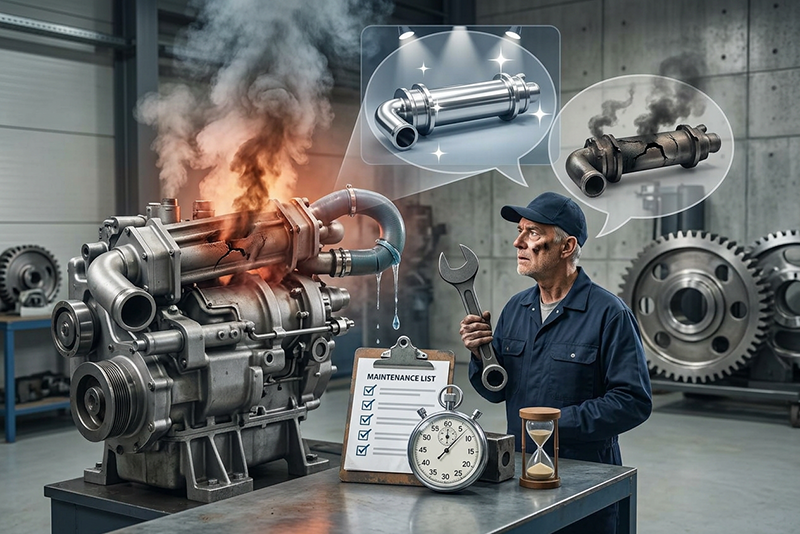
A diesel truck that starts losing coolant with no obvious external leak usually points technicians in one direction fast – the EGR cooler. If you are asking when to replace EGR cooler components, the right answer is not based on mileage alone. It comes down to symptoms, engine platform, failure history, and how much risk you are willing to carry before a small emissions problem turns into a major repair.
On a working truck, waiting too long can cost you more than the cooler itself. A failed EGR cooler can contaminate the intake side, trigger recurring fault codes, create white exhaust smoke, and in some engines contribute to more serious issues if coolant makes its way where it should not. For owner-operators, fleets, and repair shops, the real question is not whether the part is important. It is how to recognize the point where replacement is the smart move.
When to replace EGR cooler based on real symptoms
The clearest time to replace an EGR cooler is when it is leaking internally or restricted enough to affect engine operation. In heavy-duty and pickup diesel applications, that usually shows up as unexplained coolant loss, white smoke after warm-up, repeated overheating concerns, or EGR-related trouble codes that keep returning after other checks.
A pressure test often tells the story. If the cooling system will not hold pressure and there is no visible external leak, the EGR cooler moves high on the suspect list. The same is true when the intake tract shows signs of moisture or coolant residue. On some platforms, a cooler can fail gradually. The truck may still run, but coolant consumption rises and drivability starts to suffer.
Restriction matters too. Not every bad cooler leaks. Some become packed with soot and carbon, reducing exhaust gas flow and hurting EGR performance. That can trigger check engine lights, poor regeneration behavior on emissions-equipped trucks, higher combustion temperatures, and inconsistent performance under load. If cleaning is not practical or the restriction is severe, replacement is usually the better repair.
Common signs your EGR cooler is done
Coolant loss is the sign most shops take seriously first, and for good reason. A small internal leak can be easy to miss early, especially if the truck still starts and pulls normally. But if the degas bottle keeps dropping and pressure tests do not reveal hoses, water pump, or radiator problems, the cooler needs a close inspection.
White exhaust smoke is another major clue, especially after the engine reaches operating temperature. A brief puff on startup is one thing. Ongoing white smoke with a sweet smell points to coolant entering the exhaust stream. That does not guarantee the EGR cooler is the only cause, but it is one of the most common causes on many diesel engines.
Some failures show up through rough running, loss of power, or repeated EGR efficiency codes. In those cases, the cooler may not be cracked. It may simply be restricted enough that the EGR system cannot flow as commanded. Technicians should also pay attention to elevated exhaust temperatures, repeated derate conditions, and poor fuel economy when the rest of the system checks out.
Mileage alone does not decide it
A lot of buyers want a mileage number, but there is no universal service interval for when to replace EGR cooler assemblies. One truck may go well past 200,000 miles on the original cooler. Another may fail much earlier due to operating conditions, poor coolant maintenance, frequent idling, or repeat soot loading.
Fleet duty cycles matter. Trucks that spend long hours idling, making short runs, or operating in stop-and-go service tend to build more soot and heat stress into the emissions system. Engines that already run hot or have a history of contamination can shorten cooler life as well. If the truck works in construction, agriculture, or severe service, you should expect more wear than a lightly loaded highway unit.
That is why experienced diesel shops diagnose by condition, not just odometer reading. Mileage helps with context, but symptoms and testing should drive the repair decision.
Replace or clean – what makes sense?
This is where it depends. If the EGR cooler is only moderately restricted and the core is still structurally sound, some shops may attempt cleaning. That can make sense on certain platforms when labor access is reasonable and there is no sign of cracking, coolant loss, or repeated failure.
But cleaning is not a cure for a leaking cooler, and it is not always worth the labor on a high-mileage unit. If the truck already has coolant loss, internal corrosion, thermal fatigue, or heavy contamination, replacement is the better call. Reinstalling a questionable cooler to save a little money up front can bring the truck right back into the bay.
For working diesel equipment, uptime usually decides it. If labor is significant and the existing part has already shown multiple warning signs, replacing it with a quality remanufactured, rebuilt, OEM, or premium replacement unit is often the most cost-effective move.
Why EGR coolers fail in the first place
Heat cycling is a big one. EGR coolers live in a harsh environment where exhaust heat and coolant flow are constantly working against the internal structure. Over time, repeated expansion and contraction can crack the core or weaken joints.
Coolant condition also plays a direct role. Old, contaminated, or incorrect coolant can contribute to corrosion inside the cooler and the rest of the system. If the cooling system has scale, debris, or oil contamination, the EGR cooler may become both a victim and a warning sign.
Soot loading is the other major factor. Excessive idling, injector problems, turbo issues, failed sensors, and poor combustion can all increase soot. That soot packs into the cooler and reduces flow. In some cases, the cooler itself is not the root cause – it is the part that finally shows the system has been running dirty for a while.
What to inspect before replacing the cooler
A smart repair does not stop at the cooler. Before replacing the part, the system needs to be checked for the reason it failed. If not, the new unit can be put under the same stress right away.
Start with coolant condition and cooling system pressure integrity. Check for contamination, incorrect coolant, restricted passages, and any overheating history. Then look at the EGR valve, DPF behavior, turbocharger condition, and injector performance. If the engine is overfueling or producing excess soot, the replacement cooler may plug up again.
This is also the time to inspect related gaskets, seals, clamps, and install hardware. Reusing compromised components can create leaks, comebacks, and unnecessary downtime. For many repair shops, replacing accessory installation items during the job is simply cheaper than opening the system again.
Don’t ignore the timing of the repair
There is a difference between a truck that can finish the week and a truck that is one pull away from a roadside event. If the EGR cooler has a confirmed internal leak, the safest move is replacement before the truck returns to hard service. Coolant entering the exhaust side can escalate fast, especially under load.
If the issue is restriction without leakage, you may have a little more room to plan the job. But even then, waiting too long can mean more fault codes, more regeneration problems, and more strain on related emissions components. Delaying repair rarely makes the total bill smaller.
For fleets, this is where preventive scheduling pays off. If a truck shows early warning signs and the cooler is already coming off for related work, replacing it before a hard failure can protect uptime. That is especially true on engines known for recurring EGR cooler issues.
Choosing the right replacement matters
Not all replacement parts are equal, and EGR coolers are not a place to gamble on questionable quality. Heavy-duty diesel operators need a unit that has been built and tested for real service, not just boxed and shipped.
That means paying attention to fitment, engine compatibility, build quality, and supplier support. A dependable source should be able to confirm application details, answer technical questions, and back the part with a real warranty. For shops and fleets balancing cost against reliability, a properly remanufactured or premium replacement cooler can be a strong value if the process behind it is solid.
American Diesel Parts serves this market because diesel repair needs more than a catalog listing. It needs tested parts, application accuracy, and support that helps keep trucks moving.
If your truck is losing coolant, pushing white smoke, throwing repeat EGR codes, or showing clear restriction in the cooler, do not wait for the failure to make the decision for you. The best repair timing is before the truck takes itself out of service.